


What Is Freight Shipping

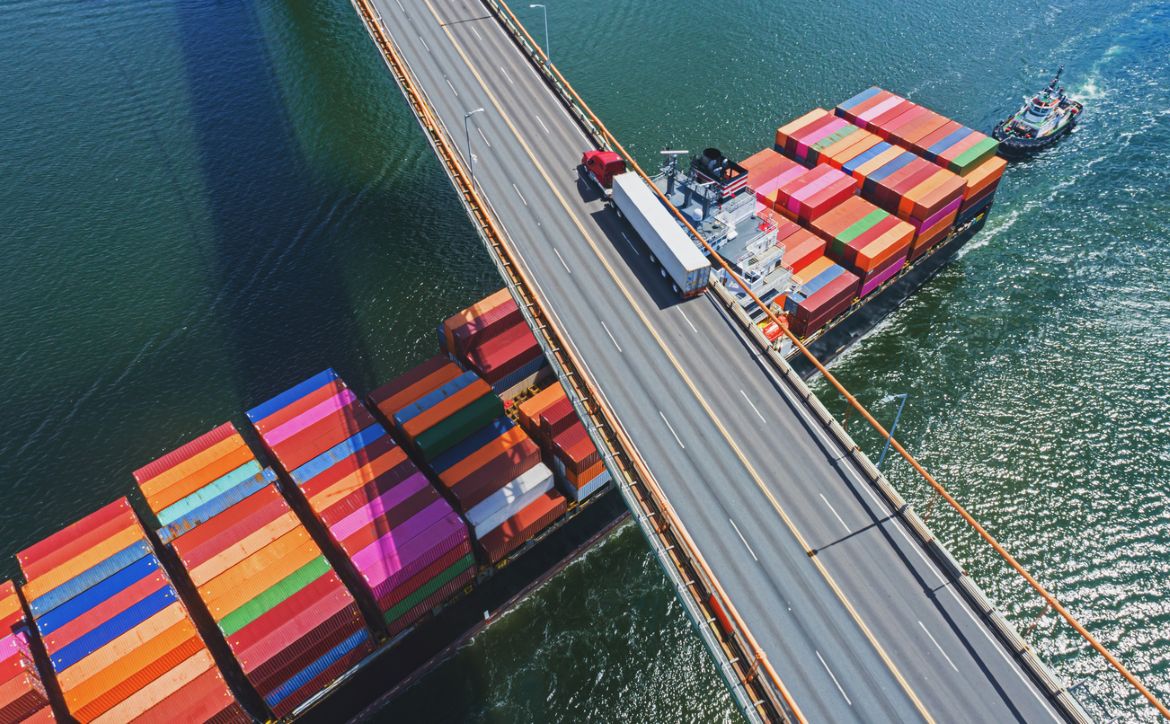
Freight shipping is the transport of large, heavy, or high-volume goods by road, rail, air, or sea. It is typically used for commercial or industrial shipments rather than everyday parcels sent through standard courier services.
In practical terms, freight usually refers to consignments that:
- Weigh over 68 kg (150 lbs)
- Are too large for standard parcel networks
- Are shipped on pallets or inside containers
- Move between businesses (B2B), warehouses, ports, or distribution hubs
If you are sending a sofa, industrial machinery, bulk stock, or multiple pallets of goods, you are almost certainly using freight shipping rather than standard parcel delivery.
Freight vs Standard Parcel Shipping
The simplest distinction:
- Parcel shipping: Individual boxes, typically under 30 kg, handled through automated courier networks.
- Freight shipping: Palletised, crated, containerised, or bulk goods requiring specialised handling and transport capacity.
Freight shipments are designed for scale and efficiency. Instead of a single box on a van route, freight may occupy part of a trailer, an entire articulated lorry, a rail wagon, a shipping container, or aircraft cargo space.
Main Types of Freight Shipping
1. Road Freight
Road freight is the most common form within the UK and across Europe. Goods are moved by lorry (HGV) between factories, warehouses, retailers, and ports.
Two core models:
- LTL (Less Than Truckload) – Your goods share trailer space with other consignments. Suitable for 1–6 pallets.
- FTL (Full Truckload) – The entire vehicle is dedicated to one shipment. Used for larger volumes or time-sensitive freight.
Road freight offers flexibility and door-to-door delivery, making it essential for domestic distribution.
2. Sea Freight
Sea freight moves goods internationally in standardised containers (typically 20-foot or 40-foot units).
Common structures:
- FCL (Full Container Load) – One shipper uses the entire container.
- LCL (Less than Container Load) – Multiple shipments share container space.
Sea freight is slower but highly cost-effective for bulk goods, manufacturing imports, and international trade lanes such as Asia to Europe.
3. Air Freight
Air freight is used when speed matters. Goods are transported in aircraft cargo holds or dedicated freighter planes.
Typical use cases:
- High-value electronics
- Urgent spare parts
- Medical supplies
- Perishable products
Air freight costs significantly more than sea freight but drastically reduces transit time.
4. Rail Freight
Rail freight is widely used for long-distance inland transport, especially for containers arriving at ports. It is often part of intermodal freight, where goods transfer between rail and road without unloading the cargo itself.
Rail can be more environmentally efficient than long-haul road transport.
How Freight Shipping Works
While the mode of transport varies, the process generally follows these steps:
- Booking – A freight forwarder or carrier arranges transport based on weight, dimensions, and destination.
- Collection – Goods are palletised, crated, or containerised.
- Documentation – Includes commercial invoices, packing lists, and customs paperwork (for international freight).
- Transit – Shipment moves via chosen transport method.
- Customs clearance (if required).
- Final delivery – Often via lorry for last-mile distribution.
Freight pricing depends on:
- Weight and dimensions
- Distance and route
- Mode of transport
- Fuel costs and surcharges
- Customs duties and taxes
For international freight, volumetric weight (space occupied) can matter more than actual weight.
When Should You Use Freight Shipping?
Freight shipping is appropriate when:
- You are moving multiple pallets of stock
- Items are oversized or heavy (furniture, machinery, equipment)
- You are importing or exporting internationally
- You need cost-efficient bulk transport
Businesses in manufacturing, retail, e-commerce fulfilment, and construction rely heavily on freight networks to maintain supply chains.
Why Freight Shipping Matters
Freight transport underpins global trade. Nearly every product — from supermarket goods to building materials — has moved through a freight network at some point.
Without freight shipping:
- Warehouses would not receive stock
- Retailers could not replenish shelves
- Manufacturers could not source components
- International trade would stall
It is the invisible infrastructure behind commerce.
Key Terms Explained
| Term | Meaning |
|---|---|
| Pallet | A wooden or plastic platform used to stack goods for forklift movement |
| LTL | Less Than Truckload shipment sharing trailer space |
| FTL | Full Truckload dedicated to one shipment |
| FCL | Full Container Load |
| LCL | Less than Container Load |
| Intermodal | Freight moved using multiple transport modes |
| Freight Forwarder | Company arranging transport and documentation |
Final Summary
Freight shipping is the movement of large, heavy, or bulk goods using road, rail, sea, or air transport systems. It is designed for scale, efficiency, and commercial distribution rather than small consumer parcels.
If your shipment involves pallets, containers, or substantial weight, you are operating in the freight category — and choosing the right freight method can significantly affect cost, speed, and reliability.
Understanding how freight works allows businesses to move goods smarter, reduce risk, and maintain consistent supply chains.
Freight Shipping – Frequently Asked Questions
| Question | Short Answer |
|---|---|
| What is freight shipping? | Freight shipping is the transport of large, heavy, or palletised goods by road, rail, sea, or air, typically for commercial or bulk distribution rather than small parcel delivery. |
| What weight qualifies as freight? | Shipments over 68 kg (150 lbs) or goods that are palletised, oversized, or unsuitable for parcel courier networks are generally classified as freight. |
| What is the difference between LTL and FTL? | LTL (Less Than Truckload) shares trailer space with other consignments. FTL (Full Truckload) dedicates the entire vehicle to one shipment. |
| Is freight cheaper than parcel shipping? | For heavy or bulk goods, freight is usually more cost-effective than sending multiple parcels individually. Costs depend on weight, volume, and distance. |
| How long does freight shipping take? | UK road freight typically takes 1–3 working days. Air freight is fastest internationally, while sea freight may take several weeks. |
| What is intermodal freight? | Intermodal freight uses two or more transport modes, such as rail and road, without unloading the goods from their container or unit. |
| Do I need a freight forwarder? | A freight forwarder arranges carriers, routing, documentation, and customs clearance. They are recommended for international or complex freight shipments. |
Best For: When Freight Shipping Makes Sense
| Industry / Use Case | Why Freight Is Suitable |
|---|---|
| eCommerce & Retail | Bulk stock movement between suppliers, fulfilment centres, and distribution hubs. Ideal for palletised inventory. |
| Manufacturing | Transporting raw materials, machinery parts, and finished goods between factories and warehouses. |
| Construction | Moving heavy building materials, tools, plant equipment, and large structural components. |
| International Importers & Exporters | Container shipping for global trade routes, including FCL and LCL sea freight. |
| Wholesale & Distribution | Cost-efficient movement of multiple pallets to retailers, regional depots, or trade customers. |