


Cargo Theft and Freight Fraud Prevention: How to Protect Your Shipments in 2026

If you’re shipping freight across the United States in 2026, cargo theft and freight fraud represent one of your biggest operational risks. What was once a problem of opportunistic trailer theft has evolved into sophisticated, coordinated fraud schemes that target shippers through forged documents, stolen identities, and digital manipulation. Understanding these threats and selecting carriers with proven prevention strategies is no longer optional. It’s essential for protecting your bottom line and maintaining supply chain integrity. Whether you’re managing LTL shipments, full truckloads, or international freight, working with security-focused carriers is fundamental.
The Evolving Landscape of Cargo Theft in 2026
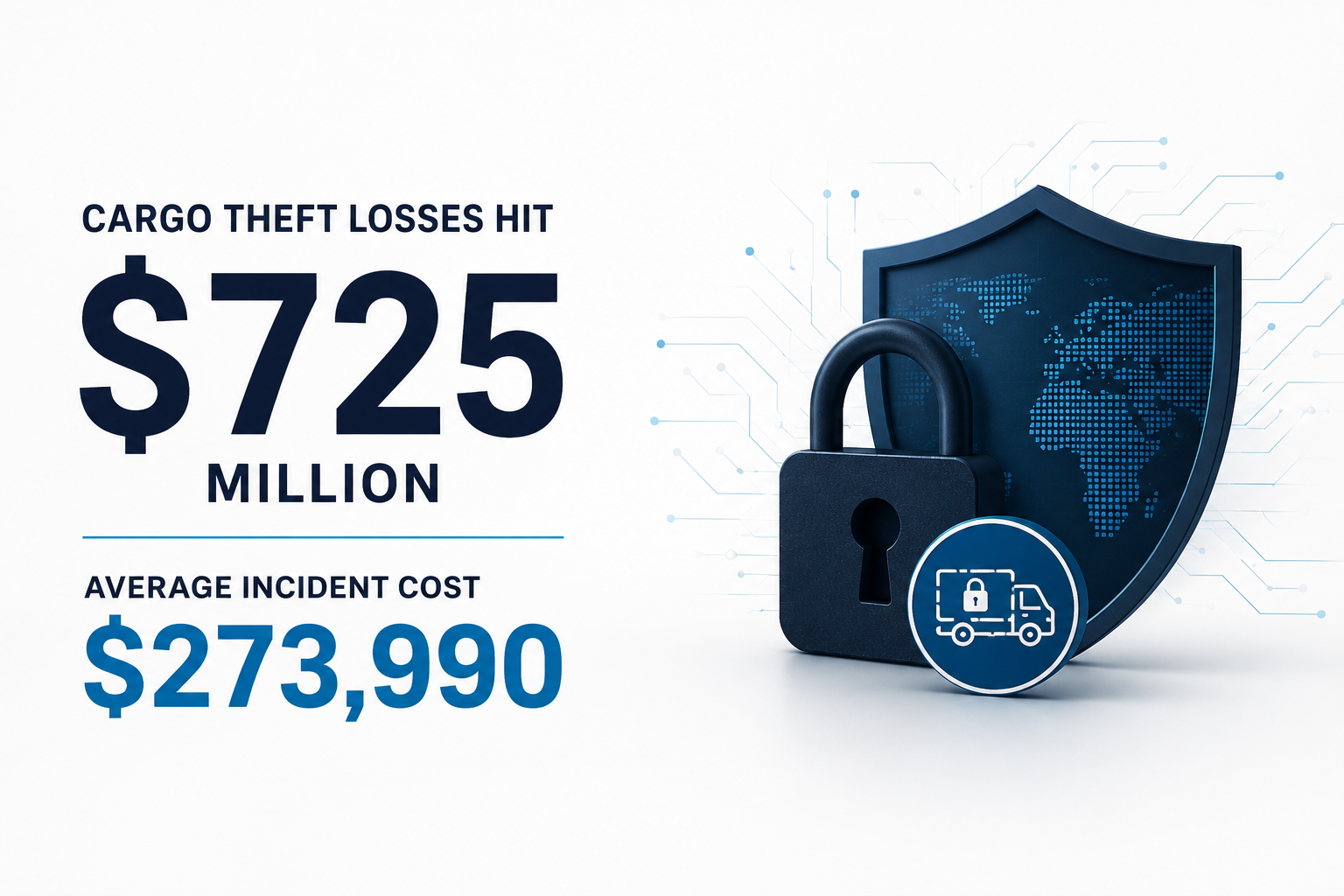
The freight industry faces a critical turning point. Cargo theft losses recently hit nearly $725 million, with the average incident costing $273,990, and the methods criminals use have transformed dramatically.
Fraud has overtaken force as the defining feature of cargo crime in the world’s largest freight market. In the US, nearly a third of all incidents involved criminals who never touched a vehicle, never forced a lock, and never triggered a physical alert, exploiting digital freight platforms, forged identities, and insider intelligence instead.
The old model: Thieves cut locks and steal trailers from unattended yards.
The new model: Criminals impersonate legitimate carriers, win your freight through digital platforms, and disappear with your cargo, voluntarily handed to them by your dock staff.
This shift from physical theft to digital fraud represents a fundamental change in how shippers must approach cargo security. Traditional padlock security is useless against a thief with a forged DOT number and a fake email address.
Current Threat Statistics for 2026
Recent data paints a sobering picture of cargo theft activity this year:
- CargoNet reported more than $131 million in cargo losses across the United States and Canada in Q1 2026, with FBI and TIA advisories warning about increasingly sophisticated fraud schemes involving spoofed identities and stolen MC numbers
- Deceptive pickup schemes where criminals use fake identities and carrier impersonation jumped 31% year over year, with nearly half of incidents occurring in California
- Statistics show a 15% increase in reported cargo theft incidents in the first quarter of 2026 compared to the same period last year, with some single incidents exceeding $500,000 in losses
The financial impact extends far beyond the stolen goods themselves. Shippers face increased insurance premiums, operational delays, customer dissatisfaction, and reputational damage.
Types of Strategic Cargo Theft in 2026
Understanding how modern cargo theft works is the first step toward prevention. The National Insurance Crime Bureau (NICB) and industry security experts have identified several common schemes you need to know:
Fictitious Pickup Fraud Criminals monitor digital freight platforms and place bids on high-value shipments using forged or stolen motor carrier credentials. When you tender the load to what appears to be a legitimate carrier, it’s actually a fraudster. Thieves use automated scripts to monitor digital freight matching platforms for high-value loads, and the moment a premium shipment appears, their bots bid using stolen or newly registered motor carrier credentials that pass basic verification checks.
Double Brokering A load is quietly re-brokered to an unauthorized carrier without the shipper’s knowledge. The original broker collects payment while an unauthorized carrier picks up your freight.
Carrier Impersonation Fraudsters create shell companies that mirror legitimate carriers’ identities, complete with forged documentation, fake insurance certificates, and spoofed email addresses and phone numbers.
Business Email Compromise Hackers gain access to legitimate company email systems to intercept shipment tenders, modify routing instructions, and redirect deliveries.
Primary Targets for Cargo Theft
In 2026, the primary targets for fictitious pickup, fraud and double-brokering schemes include electronics, servers, pharmaceuticals, foods, candy, liquor, beverages and luxury goods, products that are easily liquidated online or through secondary markets.
These are high-value, high-demand items that can be quickly resold at a profit, making them prime targets for organized criminal networks.
Legal Developments Affecting Cargo Security
Recent legal rulings have significant implications for how carriers and brokers are held accountable. On May 14, 2026, the Supreme Court issued its unanimous decision in Montgomery v. Caribe, holding that negligent hiring claims against brokers are not blocked by federal law and may proceed in state court, expected to increase scrutiny around carrier qualification across the transportation industry.
This ruling means brokers and shippers face increased legal liability if they fail to properly vet carriers. Insurance companies are responding by demanding stricter carrier qualification procedures and enhanced verification protocols.
Best Practices for Cargo Theft Prevention
Protecting your freight requires working with carriers that employ a layered approach to security. No single solution can stop every scheme, but carriers with disciplined security processes significantly reduce your exposure to fraud and theft. Industry organizations like the National Motor Freight Traffic Association (NMFTA) emphasize the importance of systematic security procedures among carriers. Here’s what to look for when selecting a carrier partner:
Select Carriers With Rigorous Vetting Standards Most strategic theft enters through loose carrier selection. Work with asset-based providers whose trucks and drivers can be physically verified, or brokers with rigorous vetting and no-re-brokering clauses.
When selecting a carrier partner, World Options helps you verify:
- Carrier authority through the Federal Motor Carrier Safety Administration’s SAFER database and FMCSA’s Cybersecurity Recommendations
- Verified phone numbers and direct dispatch contacts (not relying on submitted contact info)
- Insurance certificates verified independently with the insurance company
- Clean operational history without recent authority changes or suspicious patterns
- Documented vetting procedures and compliance with proper BOL procedures
Work With Carriers Using Modern Documentation Systems When selecting carriers, ensure they’ve moved beyond paper Bills of Lading (BOLs) and have systems that can quickly detect discrepancies. Carriers using digital BOLs with verification protocols significantly reduce fraud risk compared to those relying on paper documentation. World Options prioritizes carriers with documentation standards that meet both compliance and fraud prevention requirements.
Partner With Carriers Offering Real-Time Visibility and Tracking Visibility is the foundation of prevention. Real-time tracking, integrated data systems and rapid discrepancy detection significantly reduce exposure.
Select carriers that offer GPS tracking monitoring the trailer, not just the tractor. Verify they have geofencing alerts for unexpected route deviations and integration systems that flag discrepancies in real time. This capability is particularly critical for high-value shipments like furniture, temperature-sensitive goods, and international shipments. World Options connects you with carriers that offer these visibility features.
Select Carriers With Strong Driver and Staff Training Programs Training supports risk management because it turns awareness into action. Carriers’ programs should focus on practical habits: teach drivers to recognize loitering near equipment, attempts to access a trailer, route anomalies, and suspicious pickup behavior.
When evaluating carriers, ensure they train their staff on:
- Recognition of warning signs of fraudulent pickups and attempts to hijack loads
- Proper procedures for verifying shipper and receiver identity
- What unusual behavior and security threats look like
- When and how to escalate concerns to management and law enforcement
Work With Carriers That Verify Everything Through Official Channels Modern cargo theft prevention requires confirming that the person communicating with your team actually represents the company they claim to represent. Carriers should call verified company phone numbers to confirm dispatch contacts and review unusual changes in banking information or communication patterns.
When working with World Options, we ensure your carrier doesn’t rely solely on email addresses or submitted documents. We verify that professional-looking credentials are backed by verified, independent confirmation.
Choose a Freight Broker That Prioritizes Security Over Speed The strongest freight fraud prevention strategies are layered. Shippers should work with freight partners that emphasize carrier authority verification and insurance review with document validation. World Options prioritizes carrier security verification over quick quotes. We connect you with carriers and brokers who share this commitment to security.
Red Flags That Should Stop a Transaction
The Federal Motor Carrier Safety Administration (FMCSA) recommends stopping a transaction immediately if:
- A broker’s phone number cannot be verified through official databases
- A carrier or broker asks you to misrepresent who you work for
- The destination is called a “blind load”
- A broker is unusually quick to agree to a higher payment
- The quoted rate far exceeds current market rates
- Insurance certificates cannot be verified with the carrier’s insurance company
- Carrier authority changes have occurred recently
Emerging Threats: GPS Spoofing and Digital Manipulation
As prevention measures improve at the point of tender, criminals are expanding their focus to other vulnerabilities. GPS spoofing adds another layer, where location data is manipulated to show normal progress while freight is diverted elsewhere. Systems that treat coordinates as truth are blind to what is actually happening.
Carriers using modern prevention require multi-source verification of location data and cross-referencing GPS information with communication logs and facility access records. Physical security at warehouses and staging areas, including proper inventory management using standardized pallet sizes and heights, remains equally important as digital verification. World Options partners with carriers that employ these comprehensive, multi-layered approaches.
Insurance and Compliance Implications
Insurers are taking cargo theft seriously and adjusting their policies accordingly. The American Insurance Association and major insurance carriers are implementing stricter requirements for cargo coverage. Many insurance companies now require carriers to have:
- Documented vetting procedures for pickup and delivery points
- GPS tracking implementation with proof of monitoring
- Real-time monitoring systems with geofencing capabilities
- Regular cargo theft prevention training for all personnel
- Strict access controls at warehouses and distribution centers
Failing to implement these measures may result in:
- Higher insurance premiums
- Reduced coverage limits
- Denial of claims for shipments not meeting security standards
- Loss of coverage if standards aren’t maintained
Partner With a Freight Broker That Prioritizes Secure Carriers
Protecting your freight from modern cargo theft requires working with carriers that have proven security measures and threat intelligence capabilities. World Options specializes in connecting shippers with vetted, security-conscious carriers, including major carriers like UPS, DHL, USPS, and regional specialists who maintain the highest cargo security standards.
We help you:
- Identify and select carriers with documented security protocols and real-time tracking systems
- Verify carrier authority, insurance, and security certifications before tendering loads
- Match your shipments with carriers that have proven cargo theft prevention records
- Access carriers with GPS monitoring, geofencing alerts, and documented verification procedures
- Work with carriers that meet FMCSA security standards and insurance requirements
- Respond quickly with alternative carriers if threats or issues emerge
Cargo theft isn’t an isolated problem. It’s a systems-level exposure affecting shippers, brokers, carriers, and insurers. Organizations like the Automotive Industry Action Group (AIAG) and supply chain security experts recommend shippers work with brokers who have relationships with security-forward carriers. By partnering with World Options, you gain access to our network of vetted carriers that implement the comprehensive, multi-layered prevention strategies that work in 2026.
Ready to protect your freight by working with the right carriers? Contact World Options today to discuss which secure, vetted carriers are the best fit for your specific shipping needs and risk profile.