


Do I Need a BOL for a Full Truckload? Everything You Need to Know

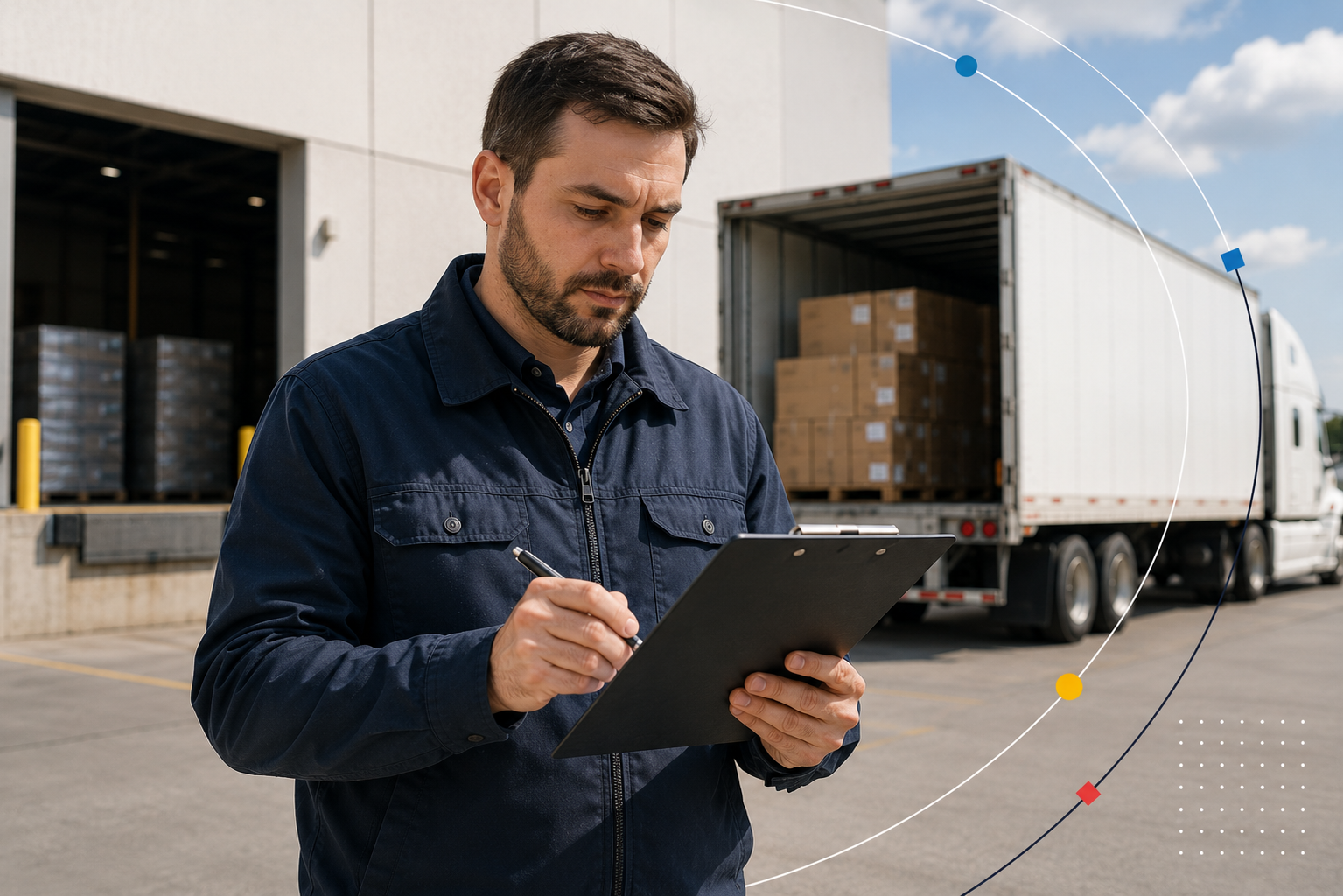
If you’re new to full truckload (FTL) shipping or managing your first freight shipment, you may be wondering about the role of a Bill of Lading (BOL) in the process. The short answer is yes—a BOL is not just recommended for full truckload shipping; it’s a legal requirement in the United States.
Understanding what a BOL is, why it’s essential, and how to properly complete one can help you avoid costly shipping mistakes and ensure smooth freight operations.
What Is a Bill of Lading?
A Bill of Lading, commonly referred to as a BOL, is a legal document that serves as a contract between a shipper and a carrier for the transportation of freight. This critical shipping document details the contents of your shipment, destination information, special handling requirements, and payment terms for your full truckload or partial shipment.
Think of a BOL as the “receipt” for your freight. It documents exactly what’s being shipped, from whom, to where, and under what conditions. For full truckload operations across the United States, the BOL is the foundational document that governs the entire shipping transaction.
Is a BOL Required for Full Truckload Shipping
Yes, a BOL is absolutely required for full truckload shipping in the United States. Federal regulations mandate that carriers cannot legally transport freight without a valid Bill of Lading. This requirement applies whether you’re shipping LTL (less-than-truckload) or FTL freight.
The BOL serves several critical purposes:
- Legal protection for both shipper and carrier
- Proof of delivery when cargo reaches its destination
- Contract documentation for the freight transportation agreement
- Compliance with Department of Transportation (DOT) regulations
Insurance documentation in case of cargo loss or damage
Without a proper BOL, your full truckload shipment cannot legally move, and you lack protection if disputes arise regarding delivery, damage, or payment.
Types of Bills of Lading
Not all BOLs are the same. Understanding the different types helps you choose the right one for your full truckload freight:
Straight Bill of Lading This is the most common BOL type for full truckload shipping. A straight BOL names a specific consignee (receiver) and cannot be transferred to another party. It provides the highest security for your shipment because only the named recipient can claim the freight. Most FTL shipments use straight BOLs.
Order Bill of Lading An order BOL allows the shipment to be transferred to another party before delivery. This type is more flexible but less secure, making it less common for standard full truckload operations. It’s typically used in complex supply chain scenarios or when the ultimate receiver isn’t known at the time of shipment.
Negotiable Bill of Lading This variation of the order BOL can be traded or sold like a financial instrument. It’s rarely used in modern trucking but may appear in international freight shipping or specific commodity trades.
What Information Must Be Included on a BOL?
A complete and accurate BOL for full truckload freight must include:
Shipper Information
- Company name and contact details
- Pickup location and address
- Phone number and email
Consignee Information
- Receiver’s company name and location
- Delivery address and contact information
- Special delivery instructions if applicable
Freight Details
- Detailed description of contents
- Number of units or pieces
- Total weight of shipment
- Pallet count
- Freight class (for rated shipments)
- Any hazardous material declarations if applicable
Carrier and Payment Information
- Carrier name and company details
- Freight charges and payment terms
- Prepaid or collect designation
- Special rate agreements or discounts
Handling Instructions
- Special handling requirements
- Stack ability and weight limits
- Temperature control needs
- Delivery time windows
- Signatures and dates from all parties
Why BOLs Are Critical for Full Truckload Operations
For full truckload shipping across the United States, BOLs provide essential protection and documentation:
-
Dispute Resolution If a disagreement arises regarding freight charges, delivery confirmation, or cargo condition, the BOL serves as the legal contract proving what was agreed upon by all parties.
Damage Claims Should your freight arrive damaged, the BOL documentation becomes critical for filing insurance claims with your carrier. It proves what was shipped and in what condition the freight left your facility.
Payment Protection The BOL clearly specifies payment terms—whether freight charges are prepaid or due upon delivery. This protects both shippers and carriers from unexpected billing disputes.
Regulatory Compliance The Federal Motor Carrier Safety Administration (FMCSA) requires proper BOL documentation for all trucking operations. Carriers operating without proper BOLs face penalties, fines, and potential loss of operating authority.
Proof of Delivery When the carrier delivers your full truckload shipment, they return a signed BOL as proof of delivery. This documentation is essential for your accounting and supply chain records.
Best Practices for BOL Management
To ensure smooth full truckload shipping operations:
- Use standardized BOL templates: Many carriers provide their own forms, but standard industry templates ensure consistency
- Complete all required fields: Don’t leave sections blank; incomplete BOLs can cause delays
- Double-check information: Verify all details, especially address and freight descriptions
- Keep copies: Maintain copies for your records, the carrier, and the consignee
- Communicate special instructions: Clearly note any special handling or delivery requirements
- Sign and date properly: Ensure all required signatures are obtained before pickup
- Request signed copies: Always request and keep a signed copy proving the carrier accepted the freight
Electronic vs. Paper BOLs
Modern freight shipping increasingly uses electronic BOLs (eBOLs) through digital platforms and carrier systems. These offer several advantages:
- Faster processing and reduced errors
- Real-time tracking and visibility
- Easier document management
- Compliance with modern shipping standards
However, paper BOLs remain common and legally valid for full truckload operations across the United States. Choose whichever format works best with your carrier and accounting systems.
Partner With BOL Experts
Understanding BOL requirements for full truckload shipping prevents costly mistakes and ensures regulatory compliance. Whether you’re shipping a single full truckload or managing regular freight operations, having proper BOL documentation protects your business and ensures smooth carrier relationships.
World Options specializes in helping shippers navigate the complexities of full truckload freight operations, including proper BOL preparation and carrier coordination. Our team can guide you through the BOL process, help you select the right carrier for your needs, and ensure your shipments move smoothly across the United States.
Ready to streamline your full truckload shipping process? Contact World Options today to discuss your freight needs and learn how proper BOL management can improve your shipping operations.