


LTL Furniture Shipping: The Complete Guide to Cost-Effective Delivery

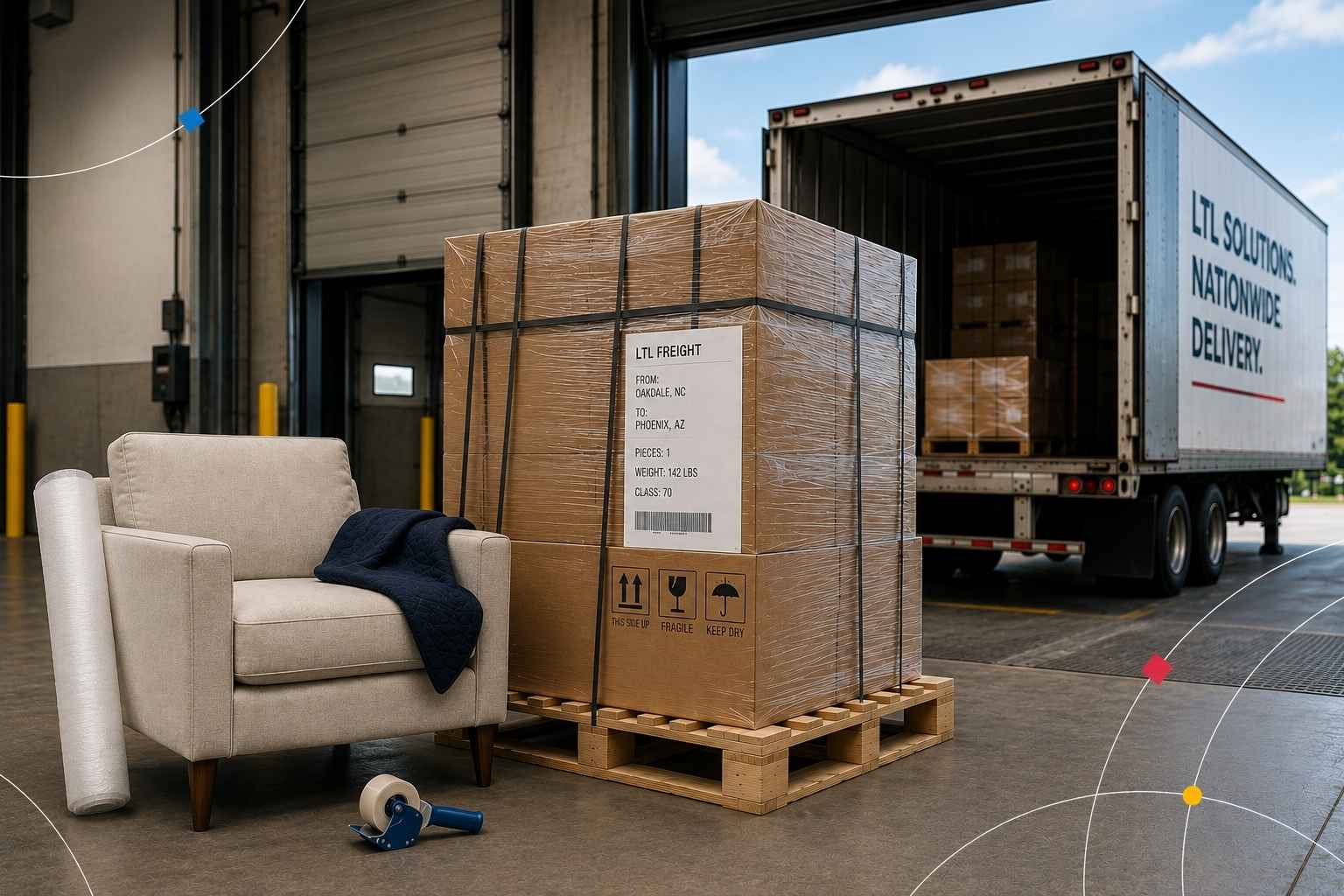
Furniture shipping presents unique challenges that differ significantly from standard freight transportation. Whether you’re a furniture retailer, manufacturer, or e-commerce business, understanding how to properly ship furniture using LTL (less-than-truckload) services can dramatically impact your bottom line and customer satisfaction. In today’s competitive marketplace, finding the right LTL furniture shipping solution across the United States is essential for maintaining profitability while ensuring your products arrive in perfect condition.
What Is LTL Furniture Shipping?
LTL (less-than-truckload) furniture shipping allows you to transport furniture that doesn’t require a full 53-foot trailer. Rather than paying for an entire truck, you share carrier space with other shippers, significantly reducing per-unit shipping costs. This makes LTL the ideal solution for furniture retailers, manufacturers, and online sellers who ship varying quantities of furniture across the United States.
LTL freight carriers consolidate shipments from multiple shippers into single trailers, maximizing efficiency and allowing them to offer competitive rates. For furniture businesses that don’t generate consistent full truckload volumes, LTL shipping provides flexibility and cost savings that dedicated trucking cannot match.
Why LTL Is Ideal for Furniture Shipping
Furniture presents distinct shipping challenges compared to other freight categories. LTL services offer specific advantages for furniture companies:
Cost Efficiency Furniture is often bulky and lightweight relative to its volume, making full truckload shipping wasteful. LTL allows you to pay only for the space your furniture occupies, not an entire trailer. This cost structure makes LTL the most economical choice for most furniture shippers.
Flexibility in Scheduling Furniture businesses experience seasonal fluctuations and varying shipment volumes. LTL carriers offer regular pickup schedules across the United States, providing flexibility without the commitment of dedicated trucking contracts.
Damage Reduction Reputable LTL carriers specializing in furniture understand the unique handling requirements of upholstered items, wood pieces, and glass components. Their experience with furniture freight results in fewer claims compared to general freight carriers.
Regional Accessibility LTL networks reach virtually every community across the United States, enabling furniture shipments to remote areas that dedicated truckload carriers might not service efficiently.
Furniture Freight Classification and LTL Rates
Understanding freight classification is crucial for managing furniture shipping costs. The National Freight Classification (NFC) system assigns all products to classes ranging from 50 to 500, with lower numbers indicating denser, more stackable freight commanding lower rates.
Typical Furniture Classifications:
- Assembled wooden furniture: Usually Class 55-65
- Upholstered sofas and chairs: Often Class 70-85
- Dining tables and chairs: Typically Class 60-70
- Unassembled/flat-pack furniture: May be Class 50-60
Several factors affect your furniture’s freight class and LTL shipping rates:
Density Denser furniture items (like solid wood tables) qualify for lower classes and better rates than bulky, lightweight pieces (like upholstered sectionals).
Stackability Can your furniture be safely stacked during transport? Stackable items receive better freight classifications and lower shipping costs. Delicate pieces and glass-topped tables typically require more space and higher rates.
Handling Requirements Furniture requiring special handling, such as climate control, white-glove delivery, or lift-gate services, commands premium rates.
Fragility Items containing glass, mirrors, or delicate components may be classified higher due to damage risk.
Best Practices for LTL Furniture Shipping
To minimize damage, reduce costs, and ensure successful furniture shipments:
Proper Packaging and Wrapping Invest in quality protective materials:
- Stretch wrap for securing cushions and preventing movement
- Furniture blankets for padding and protection
- Corner guards for protecting sharp edges
- Cardboard dividers between stacked items
- Adequate cushioning around legs and protruding components
Professional packaging reduces freight damage claims and often qualifies you for better freight rates because carriers view well-packaged furniture as lower-risk freight.
Pallet Utilization Even though furniture is often shipped on pallets, optimize pallet usage:
- Use standard 48″ x 40″ pallets for compatibility with carrier equipment
- Maintain proper pallet height (typically 60-65 inches total with cargo)
- Ensure freight is properly secured to prevent shifting
- Clearly mark pallets with dimensions and weight
Detailed Documentation Provide accurate information to your carrier:
- Accurate piece counts and descriptions on your Bill of Lading (BOL)
- Correct weight and dimensions
- Special handling instructions
- Delivery address details and contact information
- Any time-window delivery requirements
Carrier Selection Choose LTL carriers with furniture experience:
- Ask about their furniture shipping history
- Verify their damage claim rates and FMCSA safety ratings
- Confirm they have appropriate equipment for your furniture type
- Check references from other furniture shippers
- Ensure they serve your required shipping lanes across the United States
Delivery Coordination Furniture delivery requires more coordination than standard freight:
- Confirm delivery appointments in advance
- Provide clear access instructions for delivery locations
- Notify recipients of expected delivery windows
- Request signed proof of delivery
- Address damage immediately upon receipt
Cost Considerations for LTL Furniture Shipping
Several factors influence your furniture shipping costs:
Shipment Size and Weight Larger shipments typically have lower per-unit costs, but not always. A heavy, dense dining table set might cost less to ship than a lightweight sectional sofa due to freight classification differences.
Shipping Distance Longer shipments across the United States command higher rates, but regional LTL carriers often offer better pricing for shorter distances compared to national carriers.
Seasonality Furniture demand peaks at certain times of year. Shipping during peak seasons (spring, fall) may result in capacity constraints and higher rates.
Service Level Standard LTL service is most affordable, but expedited furniture shipping, white-glove delivery, or guaranteed delivery windows command premium rates.
Fuel Surcharges Most LTL carriers apply fuel surcharges that fluctuate with diesel prices, affecting your overall shipping costs. These surcharges are typically calculated as a percentage of base freight rates and vary by carrier and region.
White-Glove Delivery vs. Standard LTL
For high-value furniture, white-glove delivery services offer additional value:
Standard LTL Delivery
- Carrier delivers to your dock or curb
- Basic unloading assistance
- Most economical option
- Best for B2B shipments to retail locations
White-Glove Service
- Inside delivery to specific rooms
- Assembly and setup
- Packaging material removal
- Damage inspection and photo documentation
- Premium pricing but ensures customer satisfaction
Selecting the Right LTL Furniture Carrier
When evaluating LTL carriers for furniture shipping, consider:
- Specialized furniture experience across the United States
- Equipment availability (lift gates, specialized handling equipment)
- Network coverage in your primary shipping regions
- Transparent pricing without hidden surcharges
- Real-time tracking for shipment visibility
- Responsive customer service for problem resolution
- Competitive insurance options for valuable pieces
Scale Your Furniture Business With Reliable Shipping
As your furniture business grows, your shipping strategy must evolve. Whether you’re shipping one sofa or hundreds of pieces monthly, selecting the right LTL furniture carrier impacts your profitability, customer satisfaction, and operational efficiency.
World Options specializes in connecting furniture businesses with reliable LTL carriers experienced in handling all types of furniture shipments across the United States. Our team understands the unique challenges of furniture logistics, from proper packaging and freight classification to damage prevention and cost optimization.
Ready to improve your furniture shipping operations? Contact World Options today to discuss your LTL furniture shipping needs and discover how we can help you reduce costs while ensuring your furniture arrives in perfect condition.