


Shipping a Pallet Internationally: A Complete Guide to Global Freight

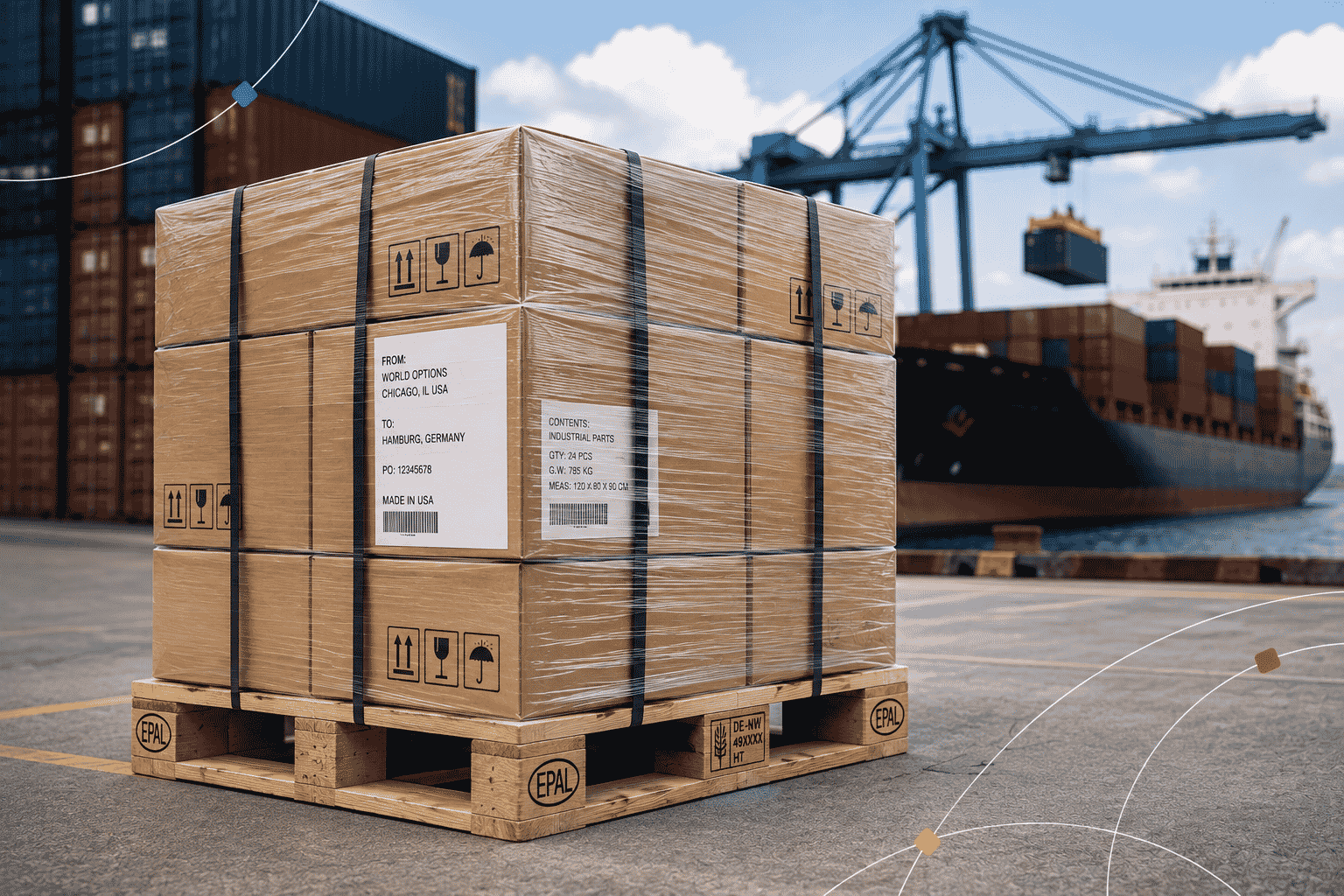
International pallet shipping opens new markets and opportunities for businesses, but it comes with complexities that domestic freight operations don’t face. Whether you’re expanding your business globally or fulfilling orders for international customers, understanding how to properly ship a pallet across borders is essential. From navigating customs regulations to managing freight logistics across multiple countries, this comprehensive guide covers everything you need to know about international pallet shipping.
What Is International Pallet Shipping?
International pallet shipping refers to the transportation of goods on standardized pallets from one country to another. This differs significantly from domestic shipping because it involves customs clearance, international regulations, multiple transportation modes, and coordination between carriers in different nations.
International pallet shipping can involve air freight, ocean freight, or multimodal transportation combining multiple methods. The choice depends on your shipment urgency, budget, weight, and destination country.
Standard Pallet Dimensions for International Shipping
One critical consideration for international pallet shipping is selecting the right pallet size. Unlike the United States, where the 48″ x 40″ GMA pallet dominates, international shipping uses different standards.
EUR Pallet (European Standard) The EUR pallet measures 1200mm x 800mm (approximately 47.2″ x 31.5″) and is the most widely accepted standard for international shipping, particularly to Europe, Asia, and other regions. The EUR pallet is recognized by the International Plant Protection Convention (IPPC) and is ideal for most international freight operations.
ISO Pallets The International Organization for Standardization (ISO) recognizes several pallet dimensions:
- 1200mm x 1000mm (most common for Asia and Europe)
- 1200mm x 800mm (EUR pallet standard)
- 1100mm x 1100mm (used in some regions)
US Standard Pallet for International Shipping The 48″ x 40″ pallet, while standard domestically, may create compatibility issues internationally. Some countries charge higher fees for non-standard pallets, so verifying your destination’s preferences is essential.
When planning international pallet shipments, confirm pallet specifications with your freight forwarder early in the process to avoid costly delays and surcharges.
Customs Regulations and Documentation
Shipping pallets internationally requires extensive documentation and compliance with customs regulations in both origin and destination countries.
Required Documentation
- Commercial Invoice
- Packing List (detailed contents by pallet)
- Bill of Lading (BOL) or Air Waybill (AWB)
- Certificates of Origin
- Insurance Documentation
- Customs declarations
- Any required permits or licenses
Incoterms Understanding Incoterms (International Commercial Terms) is crucial for international pallet shipping. These standardized terms define responsibilities for shipping costs and risk transfer between buyer and seller. Common Incoterms include:
- FOB (Free On Board): Seller pays freight to port; buyer responsible for international shipping
- CIF (Cost, Insurance, and Freight): Seller covers all costs to destination
- DDP (Delivered Duty Paid): Seller handles everything including duties and taxes
Air Freight vs. Ocean Freight for Pallet Shipping
Your shipping method significantly impacts cost, speed, and handling for international pallet operations.
Air Freight
- Speed: Delivers in 2-5 days to most countries
- Cost: Premium pricing, best for high-value or time-sensitive goods
- Weight limits: Typically 1,000-5,000 lbs per shipment
- Best for: Electronics, medications, perishable goods, urgent deliveries
The International Air Transport Association (IATA) sets standards for air freight packaging and hazardous materials handling.
Ocean Freight
- Cost: Most economical for heavy shipments
- Speed: 2-8 weeks depending on route and destination
- Capacity: Can handle full container loads (FCL) or less-than-container loads (LCL)
- Best for: Heavy goods, large volume shipments, non-urgent freight
Ocean freight is typically the best option for pallet shipments as it’s more cost-effective than air freight for most products.
Pallet Material and ISPM 15 Compliance
International pallet shipping requires compliance with ISPM 15 (International Standards for Phytosanitary Measures), which governs the treatment of wood used in pallets and packaging materials.
Requirements:
- All wood pallets must be heat-treated or fumigated
- Pallets must bear an official stamp indicating treatment
- Non-compliant pallets will be rejected at customs
- Using non-compliant pallets can result in fines and shipment delays
When shipping pallets internationally, always verify that your pallets have proper IPPC certification and treatment documentation.
Freight Forwarder Selection for International Pallet Shipping
Working with an experienced freight forwarder is essential for successful international pallet shipping.
What Freight Forwarders Do:
- Arrange transportation and handle all logistics
- Manage customs clearance and documentation
- Coordinate between carriers and customs brokers
- Handle insurance and liability
- Provide tracking and visibility throughout the journey
- Navigate international regulations and compliance
Choose a freight forwarder with:
- Experience shipping to your destination countries
- Established relationships with customs brokers
- Comprehensive insurance options
- Real-time tracking capabilities
- Responsive customer service
Cost Factors for International Pallet Shipping
Several elements influence your international shipping expenses:
Weight and Dimensions International carriers charge based on actual weight or dimensional weight (chargeable weight), whichever is greater. This encourages efficient pallet utilization.
Destination Country Remote destinations and countries with limited shipping infrastructure command premium rates. Popular shipping routes (US to Europe, Asia) typically offer better pricing.
Customs Duties and Taxes Depending on your Incoterms agreement, you or your customer may be responsible for import duties, taxes, and handling fees at the destination. These can significantly increase your total shipping costs.
Fuel Surcharges Most international carriers apply fuel surcharges that fluctuate with fuel prices, typically ranging from 5-15% of base freight costs.
Seasonal Demand Peak shipping seasons (holiday months, spring) result in higher rates and potential capacity constraints.
Best Practices for International Pallet Shipping
To ensure successful international freight operations:
- Use standard pallets: EUR pallets or ISO-compliant dimensions for maximum compatibility
- Ensure ISPM 15 compliance: Verify all wood pallet treatments and certifications
- Over-communicate specifications: Provide detailed packing lists, dimensions, and weight
- Plan ahead: Allow extra time for customs clearance (typically 3-7 business days)
- Invest in quality packaging: Protect goods from damage during long international transit
- Purchase adequate insurance: Comprehensive coverage for international shipments
- Track shipments: Use freight forwarder tracking to monitor your pallet’s journey
- Understand destination regulations: Some countries have specific import restrictions
Partner With International Shipping Experts
International pallet shipping requires expertise in customs regulations, carrier networks, and global logistics. World Options specializes in helping businesses navigate the complexities of shipping pallets globally. Whether you’re shipping to Europe, Asia, or anywhere worldwide, our team can coordinate every aspect of your international freight operation.
We work with trusted freight forwarders, customs brokers, and carriers to ensure your pallets reach their destination efficiently, compliantly, and cost-effectively. From pallet selection and documentation to customs clearance and final delivery, we handle the complexities of international shipping.
Ready to expand your business globally? Contact World Options today to discuss your international pallet shipping needs and discover how we can simplify your global logistics operations.