


The Best LTL Option for Temperature Controlled Shipping: A Complete Guide

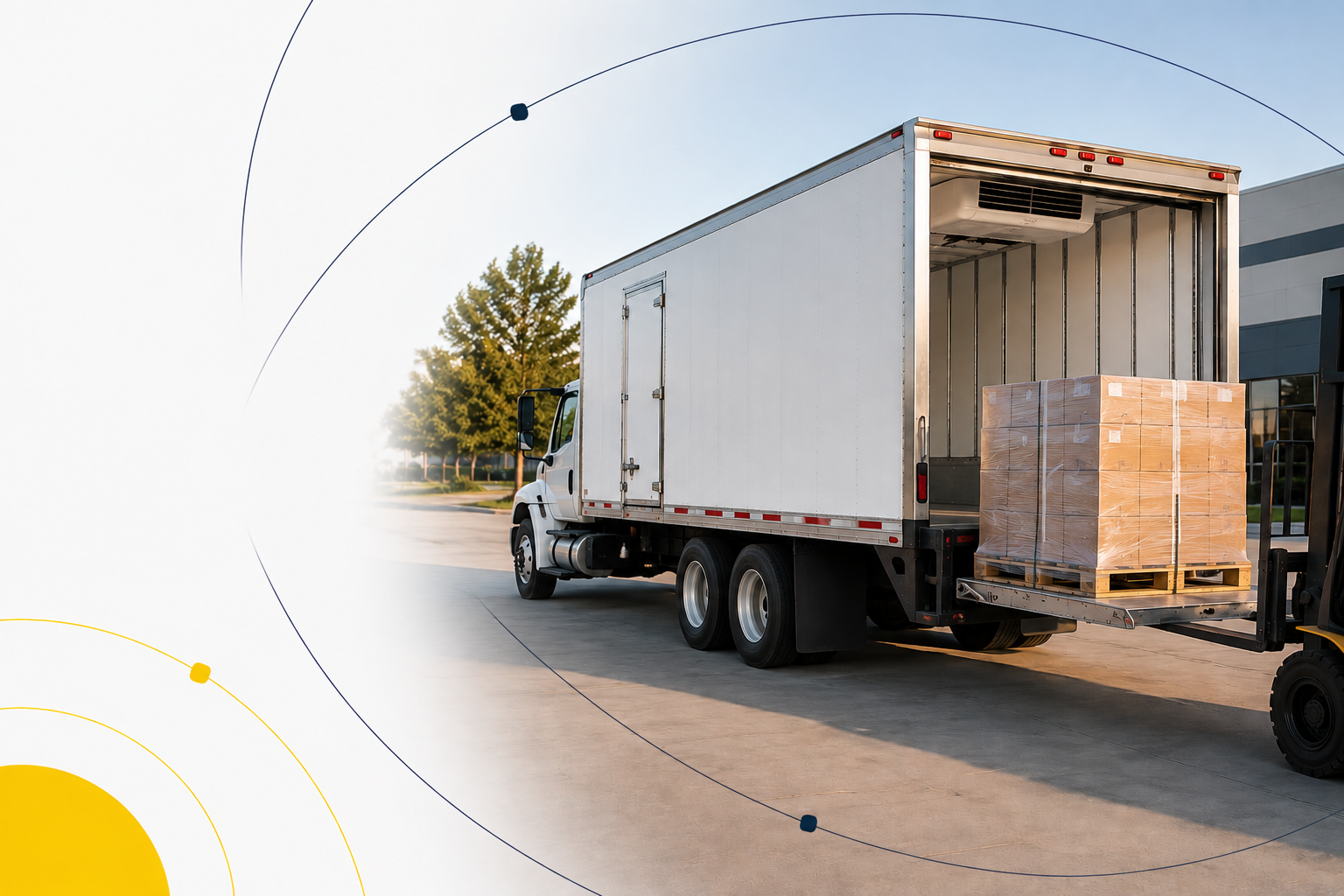
Temperature controlled shipping has become increasingly critical for businesses across the United States that handle perishable goods, pharmaceuticals, electronics, and other temperature-sensitive products. When it comes to finding the best LTL (less-than-truckload) option for your temperature controlled freight, understanding your choices is essential to protecting your products and maintaining profitability.
What Is Temperature Controlled LTL Shipping?
Temperature controlled shipping refers to the transportation of goods in climate-controlled environments where specific temperature ranges are maintained throughout the shipping process. Unlike standard LTL freight shipping, which operates at ambient temperatures, temperature controlled LTL provides specialized handling for products that require protection from heat, cold, or temperature fluctuations.
LTL shipping is ideal for businesses that don’t need a full truckload but still require reliable freight transportation. When combined with temperature control capabilities, LTL becomes a cost-effective solution for smaller shipments of temperature-sensitive goods moving across the United States.
Why Choose Temperature Controlled LTL Shipping?
Many businesses assume that full truckload shipping is their only option for temperature controlled freight. However, modern temperature controlled LTL services offer significant advantages:
Cost Efficiency
Temperature controlled LTL allows you to share carrier space with other shippers, reducing per-unit shipping costs compared to dedicated refrigerated trucking. This makes it an excellent choice for businesses that regularly ship smaller quantities of temperature-sensitive products without generating full-load volumes.
Flexibility
LTL carriers operating temperature controlled services offer scheduled pickups and deliveries across the United States, providing predictable shipping timelines without the expense of reserving an entire vehicle.
Environmental Benefits
By consolidating temperature controlled shipments with other businesses, you reduce fuel consumption and carbon emissions associated with dedicated truck transportation.
Reduced Waste
For perishable items with shorter shelf lives, faster LTL transit times mean less product degradation and reduced waste compared to slower, less frequent full-truckload options.
Types of Temperature Controlled LTL Options Available
When evaluating temperature controlled shipping solutions, you’ll encounter several different service levels, each suited to different product types and shipping requirements.
Refrigerated LTL (Reefer)
Refrigerated LTL is the most common temperature controlled option for perishable goods. These vehicles maintain temperatures between 32°F and 35°F, making them ideal for fresh produce, meat, dairy, and frozen products. Refrigerated LTL carriers throughout the United States have standardized equipment and established networks for managing perishable freight.
Insulated LTL
For products requiring moderate temperature control, insulated LTL uses thermal packaging and insulated containers rather than active refrigeration. This option works well for medications, cosmetics, and other products that need protection from extreme temperature swings but don’t require continuous cooling.
Controlled Atmosphere LTL
Some specialized carriers offer controlled atmosphere capabilities, maintaining specific temperature and humidity levels for sensitive goods like fresh flowers, certain medications, and high-value electronics. This premium option provides superior protection for extremely temperature-sensitive shipments.
Heated LTL
For products that require warmth during shipping, such as certain chemicals, chocolates, or waxes, heated LTL maintains elevated temperatures. This service is less common than refrigerated options but essential for specific industries.
Key Factors for Selecting the Best Temperature Controlled LTL Option
Product Temperature Requirements
Your first step is determining the exact temperature range your products require. Different goods have different specifications: fresh produce typically needs 32-35°F, while medications might require 59-86°F. Understanding these requirements guides your carrier selection.
Shipping Distance and Duration
LTL shipments traveling longer distances across the United States may experience more temperature fluctuations. Longer transit times require more robust temperature control systems. Consider both your typical shipping lanes and occasional long-distance shipments.
Shipment Frequency and Volume
If you ship temperature controlled freight regularly, partnering with a dedicated carrier network provides better rates and service reliability. Occasional temperature controlled shipments might benefit from flexible, on-demand LTL services.
Budget Constraints
Temperature controlled LTL costs vary significantly based on service level, distance, and carrier capacity. Compare quotes from multiple carriers to find the best balance between protection and expense.
Carrier Reliability and Track Record
Research potential carriers’ reputation for maintaining temperature standards and on-time delivery. Temperature excursions can ruin entire shipments, making carrier reliability paramount.
Best Practices for Temperature Controlled LTL Shipping
To maximize the effectiveness of your temperature controlled shipping strategy:
- Use quality packaging: Invest in insulation and coolants or heat packs appropriate for your shipment duration
- Monitor transit conditions: Many carriers offer temperature monitoring technology providing real-time data
- Plan strategic pickup/delivery windows: Schedule shipments during cooler parts of the day when possible
- Communicate clearly: Provide detailed temperature requirements and handling instructions to your carrier
- Schedule regular shipments: Frequent shipments allow carriers to optimize their routes and consolidation
Finding the Best Temperature Controlled LTL Carrier
The best temperature controlled LTL option ultimately depends on your specific needs. However, top carriers should offer:
- Established networks throughout the United States
- Real-time temperature monitoring capabilities
- Proven track record with your product category
- Competitive pricing structures
- Responsive customer service
- Temperature-controlled facilities at origin and destination points
Partner With Temperature Controlled Shipping Experts
Navigating the temperature controlled LTL landscape can be challenging, especially when you’re managing multiple shipments or expanding to new regions across the United States. World Options specializes in connecting shippers with reliable temperature controlled carriers that match your exact requirements.
Whether you’re shipping perishable food products, sensitive pharmaceuticals, or other temperature-dependent goods, we can help you identify the best LTL option that balances protection, cost, and reliability. Our expertise in temperature controlled freight logistics ensures your shipments arrive in perfect condition.
Don’t leave your temperature-sensitive shipments to chance. Contact World Options today to discuss your temperature controlled shipping needs and discover the LTL solution that works best for your business.